Source Rear Lamp for Trucks, Cars, and Buses
Compare 30 rear lamp options from verified suppliers in China. Buyers can evaluate specifications like voltage, material, and protection levels for truck side lights, brake lamps, and taillights to find suitable replacements; compare the available evidence and request quotations based on your requirements.
Key considerations
Products List

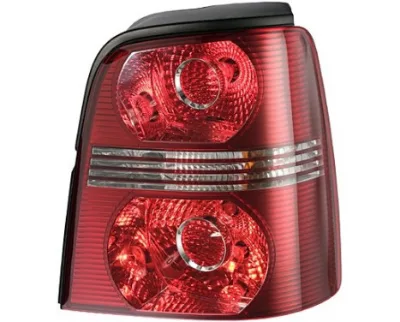
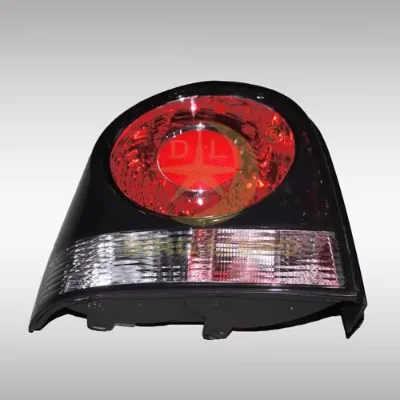
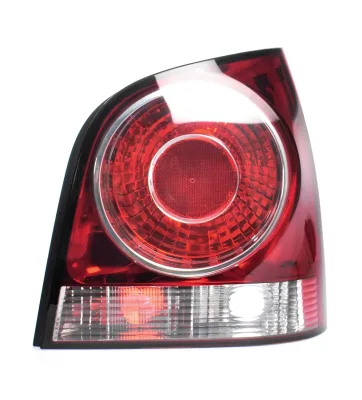


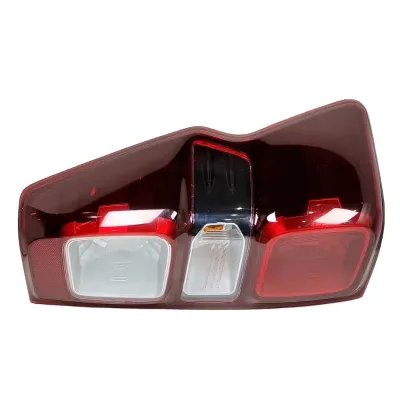
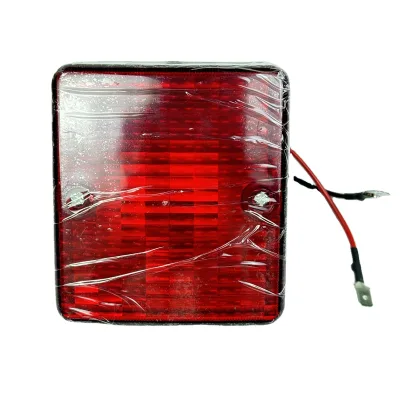


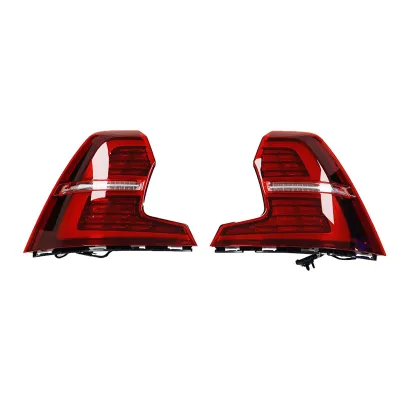

Comprehensive Sourcing Guide
Rear Lamp Sourcing Guide
Procuring rear lamps requires careful attention to the specific vehicle platform and the intended function of the component, whether for replacement, repair, or custom modification. The market offers a diverse range of options, from universal models designed for broad compatibility to specialized units tailored for specific truck door shells or heavy-duty applications. Buyers must distinguish between products labeled as original equipment and those marked as high-quality copies, as this distinction directly impacts fitment precision and long-term reliability.
The observed product landscape includes variations in material composition, such as ABS combined with LED technology, which influences both durability and light output. Some listings highlight specific model numbers like 2380955 or LT-517, indicating a need for precise matching against existing vehicle specifications. Understanding these nuances ensures that the selected rear lamp integrates seamlessly with the vehicle's electrical system and meets the operational demands of the intended application, such as brake, tail, or warning light functions.
Product Scope and Observed Listing Signals
Buyers should first analyze the product name and description to confirm the specific application, noting that some items are explicitly designed for truck side lights, taillights, or warning brake functions. The presence of multiple product names in a single listing, such as "Good quality Combination Rear light" versus "Factory Wholesale Car Spare Parts," suggests a broad inventory that may include different quality tiers or configurations. It is essential to verify if the item is intended for a specific vehicle model, such as those used in S-Ca-N-Ia, or if it is a universal fitment designed for general replacement purposes.
Listing signals also reveal critical details about the physical attributes and packaging, which affect logistics and installation. Products may be described with specific dimensions like 166x145x20mm or 154x54x16mm, requiring buyers to cross-reference these measurements with their existing fixtures. Additionally, packaging methods vary from individual boxes to palletized shipments, and some suppliers offer custom packing requests, which can influence the cost and handling requirements for bulk orders.
Technical Specifications to Verify
Voltage compatibility is a primary technical constraint that must be verified before purchase, as the supply chain shows products operating at both 12V and 24V systems. Selecting a rear lamp with the incorrect voltage can lead to immediate failure or damage to the vehicle's electrical components, making it imperative to match the lamp's operating voltage to the vehicle's power supply. Buyers should also check the light color specifications, noting that while some units offer cool white options, others may be designed for standard red illumination depending on the regulatory requirements of the target market.
Material construction and protection ratings are equally critical for ensuring longevity in harsh operating environments. Many listed units utilize ABS plastic combined with LED technology, offering a balance of impact resistance and energy efficiency. The protection level is often cited as IP68, indicating a high degree of resistance to dust and water immersion, which is vital for rear lamps exposed to the elements. However, buyers must confirm that these ratings apply to the specific unit they are ordering, as specifications can vary between different model numbers and production batches.
Compliance and Safety Documentation
Regulatory compliance is a non-negotiable aspect of sourcing rear lamps, particularly when importing components for commercial vehicles. The presence of certifications such as CCC indicates that certain products have met specific Chinese safety standards, but buyers must verify if these certifications are valid for the destination country's regulations. It is crucial to request current certification documents from the supplier to ensure that the lamps meet local safety requirements for lighting intensity, color, and durability before finalizing any purchase agreement.
Safety documentation also extends to the warranty terms and the declared condition of the product. Most listings specify a one-year warranty for new items, which provides a baseline for recourse in case of premature failure. Buyers should ensure that the warranty covers specific failure modes related to the LED components and the housing integrity. Additionally, verifying that the product is explicitly marked as "New" rather than refurbished helps avoid potential issues with inconsistent performance or hidden defects that could compromise vehicle safety.
Cost Drivers and Commercial Terms
The cost of rear lamps is influenced by several factors, including the complexity of the LED assembly, the quality of the ABS housing, and the specific model number required. While some listings mention a "lowest price" strategy, the actual cost is often driven by the MOQ, which can range from single items to 500 pieces. Buyers must calculate the total landed cost, considering that higher volume orders may reduce the unit price but increase the initial capital outlay and storage requirements.
Commercial terms such as payment methods and lead times significantly impact the procurement workflow. Suppliers often require payment via TT or LC, which affects cash flow management and risk exposure for the buyer. The lead time is typically around 30 days, a factor that must be accounted for in inventory planning to prevent stockouts. Understanding these terms allows buyers to negotiate effectively and align their purchasing schedule with their operational needs, ensuring a smooth supply chain flow.
Supplier Qualification and Quality Control
Supplier qualification involves verifying the place of origin and the consistency of their manufacturing processes. The supply chain indicates origins in Shanghai and Jinan, China, regions known for automotive parts production, but buyers should confirm the specific factory capabilities for their required model numbers. Quality control is further evidenced by attributes like "High Quality" or "High Level," yet these are subjective claims that must be validated through sample testing and review of past performance records.
Quality control protocols should also address the customization options available, as many suppliers offer tailored solutions for specific vehicle needs. The ability to customize colors or packaging can be a significant advantage for buyers with unique branding or regulatory requirements. However, buyers must establish clear quality benchmarks for these customizations to ensure that the final product meets the same performance standards as the standard offerings. Regular audits and sample inspections are recommended to maintain consistent quality across different production runs.
Long-Term Procurement Checks
Long-term procurement success depends on establishing a reliable supply chain that can consistently meet demand without compromising quality. Buyers should monitor the consistency of model numbers and specifications over time, as changes in production lines can lead to variations in fitment or performance. Maintaining open communication with suppliers regarding updates to product standards or material changes helps mitigate the risk of receiving non-compliant or substandard goods in future orders.
Performance tracking is essential for validating the durability and reliability of the rear lamps in real-world conditions. Buyers should implement a system to track failure rates and warranty claims, using this data to inform future purchasing decisions. If a specific model number or supplier consistently underperforms, it may be necessary to diversify the supplier base or adjust the technical specifications required. Continuous evaluation ensures that the procurement strategy remains aligned with the operational needs and safety standards of the fleet.
FAQs
What is the operating voltage for these rear lamps?
The operating voltage is 24V for the high-quality combination rear lights. This specification ensures compatibility with heavy-duty truck electrical systems. The LED brake lights and tail lights are designed to function reliably under this voltage. Buyers should verify their vehicle's electrical system matches this requirement before installation to ensure proper performance and safety.
Can these rear lamps be customized for specific needs?
Yes, customization is available for these rear lamps. Buyers can request specific colors, such as cool white or red, depending on their requirements. The product name indicates good quality combination rear lights that can be tailored. This flexibility allows for specific branding or functional needs, ensuring the lights meet exact operational standards for various truck applications.
What is the minimum order quantity for these products?
The minimum order quantity is 500 pieces for these rear lamps. This MOQ applies to the high-quality combination rear lights and LED brake lamps. Buyers planning larger fleet upgrades or wholesale distribution should consider this threshold. It ensures efficient production and shipping processes while maintaining the high level of quality and protection level specified for these automotive parts.
Where are these rear lamps manufactured and shipped from?
These rear lamps are manufactured in Shanghai, China, and Jinan. The products originate from these locations, ensuring consistent quality and supply chain efficiency. Buyers can expect reliable shipping from these hubs. The place of origin is clearly stated for transparency, allowing purchasers to assess logistics and potential import duties based on their specific geographic location and sourcing preferences.
What certifications do these rear lamps hold?
These rear lamps hold CCC certification, ensuring they meet specific safety and quality standards. This certification is crucial for compliance in many markets. The products are designed for truck side lights, taillights, and warning brake lights. Buyers should verify that CCC certification aligns with their local regulatory requirements to ensure legal installation and operation of these automotive lighting components.
What is the warranty period for these rear lamps?
The warranty period is one year for these rear lamps. This coverage applies to the high-quality combination rear lights and LED brake lamps. Buyers receive assurance against manufacturing defects during this period. The warranty supports the claim of high quality and reliability. It provides peace of mind for purchasers investing in durable automotive lighting solutions for their vehicles or fleets.